
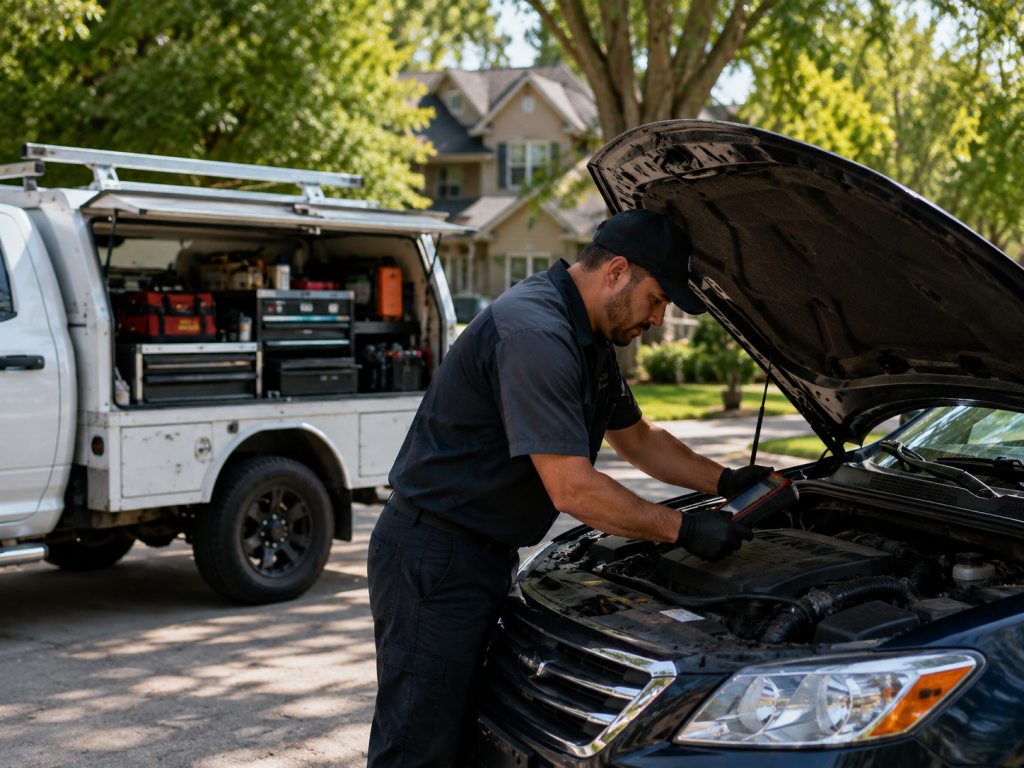
Owning a car in New York City is its own particular challenge, and if you rely on street parking rather than a garage, you already know the routine. Alternate side parking rules, the constant search for a spot, and the reality that your vehicle spends most of its life exposed to the elements on a city block all add up to a very different kind of wear than a car parked in a suburban driveway ever experiences. Understanding what street parking actually does to a vehicle, and how to stay ahead of it, makes a real difference for anyone keeping a car in the five boroughs.
Why Street Parking Is Harder On A Vehicle Than Most Drivers Realize
A car sitting on a New York City street is exposed to a combination of factors that a garaged vehicle simply does not face. Direct sun exposure during summer months accelerates the breakdown of rubber seals, wiper blades, and interior materials. Winter brings road salt, which is essential for keeping streets safe but is also one of the most corrosive substances a vehicle’s undercarriage can encounter. Add in constant vibration from nearby traffic, the occasional bump from a passing vehicle or a curb during a tight parking maneuver, and the general grime that settles on anything parked outdoors in a dense urban environment, and you have a recipe for wear that moves faster than a typical suburban maintenance schedule anticipates.
Alternate side parking itself adds a layer of wear that many drivers do not think about. The frequent need to move your car, often early in the morning, means more short trips with cold starts, more maneuvering in tight spaces, and more opportunities for minor scrapes or curb contact while squeezing into a new spot. Short trips in particular are hard on an engine, since they rarely give the vehicle enough time to reach full operating temperature, which affects everything from oil circulation to emissions system efficiency.
What Corrodes Fastest On A Street Parked Vehicle
Winter road salt is the single biggest threat to a street parked car in New York City. Salt residue splashed up from the road settles on the undercarriage, brake lines, and exhaust system, and because a street parked vehicle rarely gets the benefit of a heated garage to help dry it out between snow events, that salt has extended contact time to do its damage. Brake lines and exhaust components are particularly vulnerable, since corrosion here can eventually lead to serious safety or performance issues rather than just a cosmetic problem.
Battery terminals and electrical connections also suffer more in a street parking situation, partly due to salt exposure and partly due to the vibration and jostling that comes with city driving and frequent parking maneuvers. Tires take a beating too, both from curb contact during parallel parking and from the sheer number of potholes that develop on city streets, particularly during the freeze thaw cycles that hit New York each winter.
Maintenance Habits That Matter More For Street Parked Cars
Washing your vehicle regularly, including a rinse of the undercarriage during and after winter months, helps remove accumulated salt before it has extended time to cause corrosion. This is one of the simplest habits a street parking owner can adopt, and it makes a meaningful difference over the course of a New York winter.
Checking tire condition frequently is especially important given how often street parked vehicles encounter curbs and potholes. A quick visual inspection for sidewall damage or uneven wear can catch a developing problem before it turns into a blowout or an expensive alignment issue. Battery health should also be checked more often than the standard schedule suggests, since the combination of frequent short trips and constant electrical demand from alarm systems and other always on components can drain a battery faster than typical suburban use.
Wiper blades and exterior seals deserve more frequent attention as well, since a street parked car has no protection from direct sun and weather the way a garaged vehicle does. Rubber components dry out and crack faster under constant outdoor exposure, and a seal that fails around a door or window can allow water intrusion during the next heavy rain, leading to interior damage that is far more expensive to fix than the seal itself would have been.
For a broader look at keeping a vehicle in good shape given everything New York City traffic and parking conditions throw at it, our guide on surviving NYC traffic essential car care tips covers additional strategies that pair well with the street parking specific advice here.
Why On Site Repair Is Especially Valuable In New York City
Finding parking once is hard enough in this city, and the idea of losing your spot to drive to a repair shop, then searching for parking again afterward, is enough to make most owners put off maintenance longer than they should. This is one of the clearest reasons on site repair makes so much sense for New York drivers specifically. A technician who comes directly to your parked vehicle, wherever it happens to be, eliminates the need to give up a hard won parking spot just to get routine maintenance or a repair handled.
This becomes even more valuable during alternate side parking hours, when a mobile mechanic can work on your vehicle exactly when and where you need to move it anyway, turning a mandatory relocation into an opportunity to get maintenance done at the same time rather than a separate errand on top of an already busy day.
Why A Mobile Mechanic Fits The Realities Of City Ownership
Beyond the parking spot advantage, a technician who regularly works with New York City vehicles understands the specific wear patterns that come from salt exposure, frequent short trips, and the general demands of street parked ownership. Rather than explaining your situation to a shop that primarily services vehicles from a very different driving environment, a mobile mechanic familiar with the five boroughs already understands what to look for.
We covered the broader benefits of this approach in our article on why mobile mechanics are better than traditional auto shops in New York, which explains how convenience and local knowledge come together, particularly valuable for anyone trying to keep a street parked vehicle running well despite everything the city throws at it.
Keep Your Street Parked Car Ahead Of The Wear
Owning a car in New York City without access to a garage means accepting a certain amount of extra wear as part of the deal, but that does not mean you have to accept unnecessary repair bills on top of it. Staying ahead of salt corrosion, keeping an eye on tires and batteries, and addressing small issues before they compound are all manageable habits that keep a street parked vehicle reliable despite its tougher living conditions.
If it has been a while since your vehicle had a proper inspection, or if you are dealing with symptoms that suggest street parking wear has started catching up with your car, visit our homepage to learn more about our services, or head to our contact us page to schedule a visit wherever your car happens to be parked.
A little consistent attention goes a long way toward keeping your car dependable, even when the city itself seems determined to wear it down one parking spot at a time.